
If you or a loved one is struggling with alcohol use, we want you to know that you are not alone. At Alamo Behavioral Health, our caring and experienced team is here to support you. We understand how difficult this journey can be and are dedicated to connecting you with the best treatment professionals in your local area. Drinking alcohol can dry out the skin, which can cause early signs of aging, wrinkles, and skin problems like rosacea and psoriasis. Long-term alcohol use can also slow down wound healing and raise the risk of skin infections. This highlights the need to limit alcohol intake to keep the skin feeling and looking healthy.
Risk of Suicide
Yes, alcohol misuse accelerates aging by dehydrating the skin, increasing inflammation, and damaging DNA. Long-term alcohol misuse has been linked to premature wrinkles, memory decline, and https://snkimya.com.tr/adderall-abuse-and-addiction-symptoms-and-warning/ reduced organ function. After drinking 8 to 9 units of alcohol, your reaction times will be much slower, your speech will begin to slur and your vision will begin to lose focus.
Anxiety and Depression
Support groups like Alcoholics Anonymous (AA) and SMART Recovery provide peer encouragement and accountability. AA follows a 12-step program focusing on personal growth and community support, while SMART Recovery uses a science-based, self-empowerment approach. Participation in support groups has been shown to reduce relapse rates and strengthen long-term sobriety. The excess amount of alcohol in your system can also upset your digestion, leading to symptoms of nausea, vomiting, diarrhoea and indigestion.
- The effect of alcohol on the skeletal system can also inhibit new bone production, and even causes loss of muscle mass to make you weaker and more susceptible to falls and fractures.
- Seeking help early improves mental and physical health, restores relationships, and enhances overall well-being.
- Therefore, it’s important to understand your insurance coverage before beginning treatment.
- Symptoms may include nausea, vomiting, loss of appetite, and severe abdominal pain.
- Liver diseases including hepatitis, cirrhosis and other serious complications can arise from prolonged alcohol abuse.
- Behavioral therapy helps individuals identify triggers, change negative thought patterns, and develop coping strategies for long-term sobriety.
Long Term Effects of Alcohol Abuse
More resources for a variety of healthcare professionals can be found in the Additional Links for Patient Care. Here, we provide a long term alcohol misuse may cause brief overview of common medical problems that may be related to your patients’ consumption of alcohol. More information about alcohol and cancer risk is available in the Surgeon General’s advisory. AUD is a condition in which a person is unable to stop using alcohol despite negative consequences. The endocrine system consists of hormone-producing glands in the body. These hormones influence various functions, including growth, metabolism, and breathing.
Brain Abscess: How Modern Medicine Wins the Fight Against This Dangerous Infection
Alcohol can also interfere with the way the small intestine absorbs vitamins, minerals, and other important nutrients to cause malnourishment and nutritional deficiencies. Over time, the effects of alcohol on the pancreas can increase the risk for diabetes and pancreatic cancer. The longer a person drinks alcohol on a regular basis, the more severe and frequent these memory lapses will become. Even after a person stops drinking, the brain will continue to suffer great damage and experience difficulty with learning new things or retaining information in a clear, concise manner.

Early intervention can prevent serious health, legal, and social consequences. Excessive alcohol consumption also increases risky behaviors, such as impaired judgment, unsafe sexual encounters, and legal troubles like DUI arrests. Over time, alcohol misuse erodes social connections, leading to loneliness and further dependence.
- However, it’s important to recognize that the longer drinking has been a problem, the more challenging it might be to fully reverse all damage.
- Long-term heavy alcohol consumption significantly increases the risk of developing various types of cancer.
- In addition, people who drink heavily may not eat adequately, so they may develop vitamin and mineral deficiencies.
- This might be at home, your GP practice, or a specialist NHS service.
People who drink excessively may also engage in risky sexual behavior or drive when they should not. You can get clean and sober, start therapy, join a support group, and start your journey to recovery. This amount of alcohol will begin to reach toxic (poisonous) levels. This will leave you feeling badly dehydrated in the morning, which may cause a severe headache. The alcohol also impairs the cells in your nervous system, making you feel lightheaded and adversely affecting your reaction time and co-ordination.
- It’s all about staying consistent with sobriety and establishing a plan for recovery that takes physical symptoms into account.
- Alcohol abuse affects the lives of millions of people around the world causing an array of long term health effects and complications.
- Many people with an alcohol problem need to completely stop using alcohol.
- Most insurance providers offer some form of rehab insurance, either as part of their standard coverage or as an add-on policy.
Persistent Anxiety and Depression
These medications work best when combined with therapy and support programs. Treatment options include medical detox, therapy, support groups like Alcoholics Anonymous (AA), and outpatient or inpatient rehabilitation. Seeking help early improves mental and physical health, restores relationships, and enhances overall well-being. Professional guidance can support long-term recovery and prevent further harm. This article explores the causes, symptoms, and treatment options for alcohol misuse, offering insights on recognizing early warning signs and seeking professional support. Understanding the risks and addressing alcohol misuse early can improve outcomes and support long-term recovery.
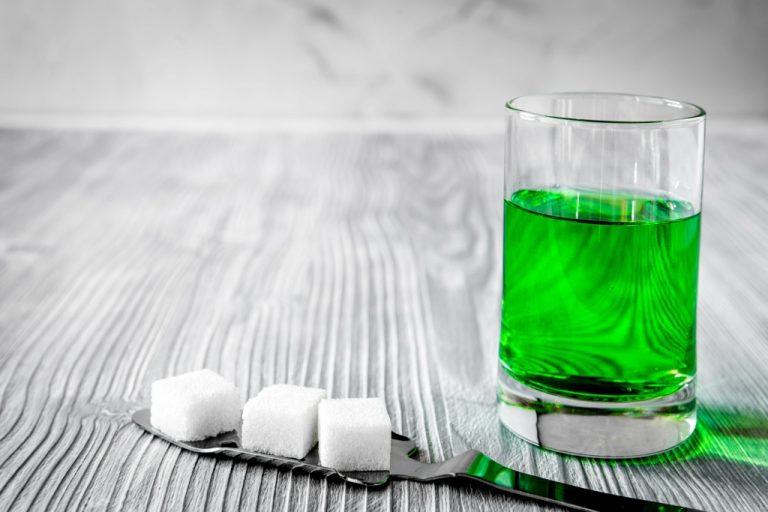
It can raise blood pressure and heart rate, Drug rehabilitation increasing the risk of heart disease, stroke, and irregular heartbeats. Long-term alcohol misuse can weaken the heart muscle, leading to conditions like cardiomyopathy and heart failure. This illustrates the dangers of excessive alcohol consumption for heart health.
Leave a Reply