

Working capital is often used to measure a company’s ability to meet current obligations. It measures how much liquid assets a company has available to build its business. Working capital is directly linked to a company’s revenue and profitability.
Operating Working Capital Formula
It doesn’t provide insight into your long-term financial stability or growth potential. Relying solely on working capital can give you a skewed view of your business’s overall health. Working capital focuses on a business’s ability working capital formula to cover immediate expenses but doesn’t account for its overall profitability.
Everything You Need To Master Financial Modeling
For instance, if a company can negotiate longer payment terms with suppliers, it can decrease its current liabilities, leading to a decrease https://www.bookstime.com/ in working capital and improved cash flow. This means the company can use its cash for a longer period before paying off its debts. A positive difference between current assets and liabilities means the company is in sound financial health. On the other hand, a negative working capital indicates that a business is required to pay more for its short-term financial obligations than what it has available as assets.
Send Payments
The liabilities include the short-term debts or accounts payable and current assets include the accounts receivable, cash, inventory and so on, that can be easily converted to cash. A company can be endowed with assets and profitability but may fall short of liquidity if its assets cannot be readily converted into cash. Positive working capital is required to ensure that a firm is able to continue its operations and that it has sufficient funds to satisfy both maturing short-term debt and upcoming operational expenses. The management of working capital involves managing inventories, accounts receivable and payable, and cash.
- Syed has over 16 years of experience preparing and executing detailed company profiles-deep dive & teasers, market updates, pitchbooks, and buyer/seller screening.
- Working capital is a crucial metric for businesses to understand as it represents the amount of money available for day-to-day operations.
- Anyone interested in factoring should take a closer look at their options because there are differences.
- However, it also has a higher fixed assets/capital of $100,000, which indicates that it has more long-term assets to produce its goods or services and create its competitive advantage.
- It is the amount normally available to any business so that they can finance day-to-day business operations and current activities.
- Work with both suppliers and customers to negotiate payment terms that favor your cash flow needs.
Steps to Calculate Working Capital
- Manage your inventory more efficiently by analyzing past sales and forecasting demand to optimize your purchasing and stock levels.
- On the other hand, if the business negotiates more time to pay its suppliers, it reduces working capital but frees up cash, improving cash flow.
- Since there is a large number of factoring companies, companies can quickly end up with a provider whose credit rating itself is weak.
- This means the company has $150,000 available, indicating it has the ability to fund its short-term obligations.
- Current assets are the assets that a company can easily convert into cash within one year or one operating cycle, whichever is longer.
Revathi holds a master’s degree in accounting and taxation, and she’s fixed assets on her way to becoming an Enrolled Agent (EA) and is diligently preparing for her CPA. In addition to his valuation work, Vikas is actively involved in hiring and training. He has been instrumental in developing the technical skills of the team and has received several accolades during his tenure. Ananya holds a PDGM degree with specialization in finance from Atharva Institute of Management Studies, Mumbai, India, and a bachelor’s degree in commerce from Mumbai University, India. Additionally, she takes workshops on financial literacy and independence for the youth and mothers.

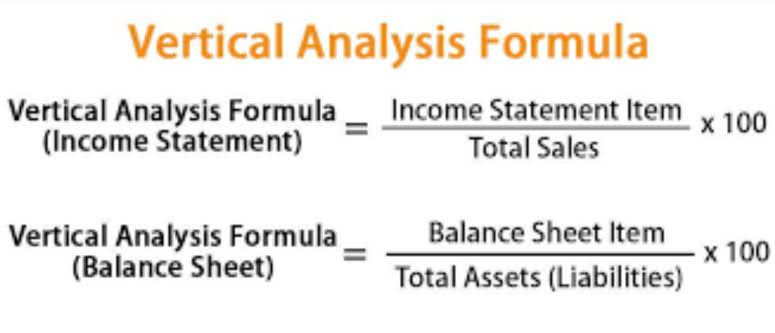
Improving your working capital position will increase operational efficiency and put your business on strong footing, helping you overcome challenging economic conditions and sustain profits. If you’re overly reliant on external financing to cover operational expenses, you might want to consider speeding up and improving your cash application process. Current Liabilities are the liabilities of a firm which are payable within a period of one year.
- Working capital is an important number when assessing a company’s financial health, as a positive number is a good sign while a negative number can be a sign of a failing business.
- Cash is the most liquid asset and the primary component of working capital.
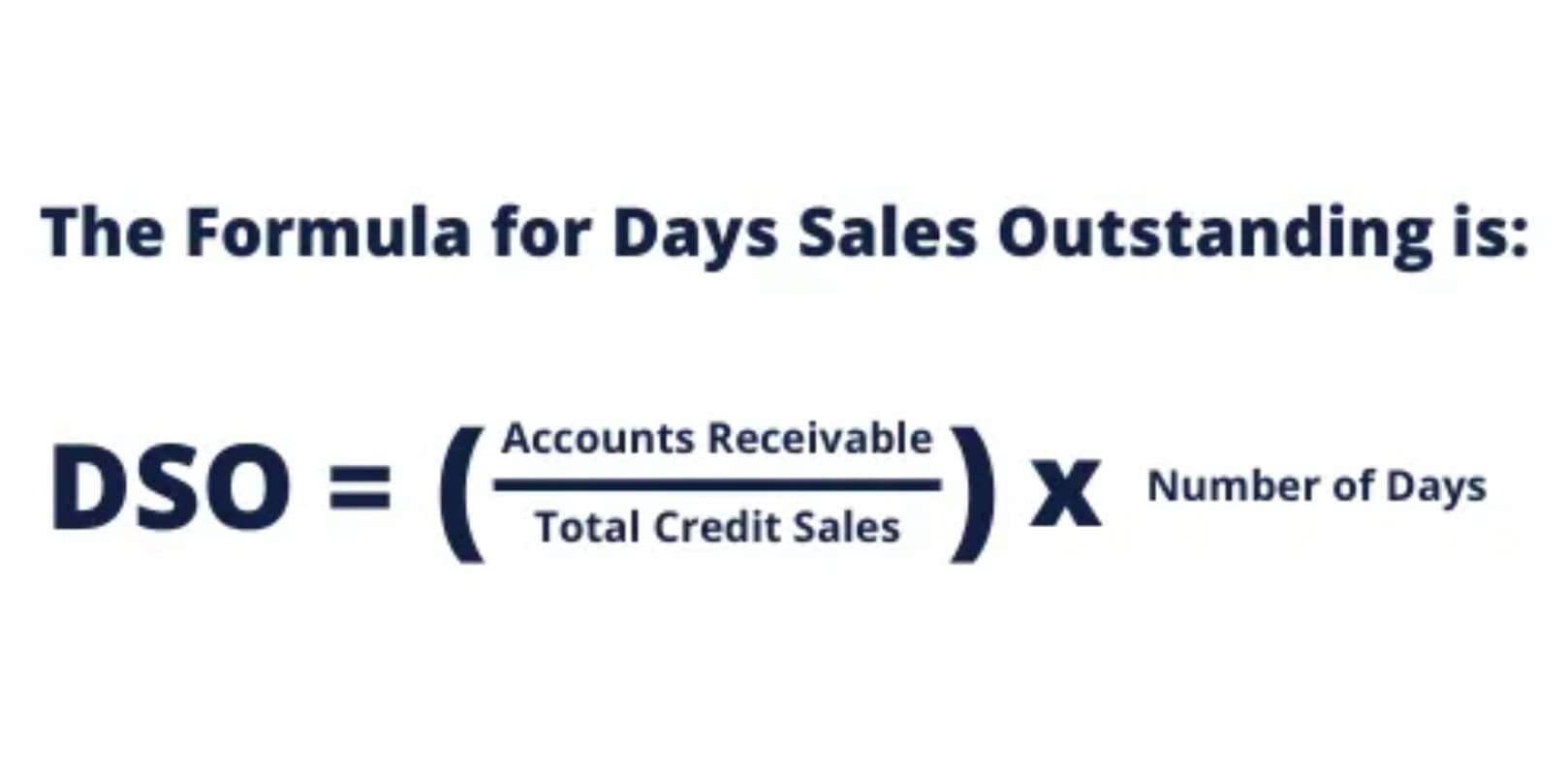
- These measures the respective turnovers, e.g., days inventory outstanding means how many times the inventory was sold and replaced in a given year.
- The graphic below covers more examples of current assets and current liabilities to aid your calculation accuracy.
- By managing their working capital effectively, businesses can ensure that they have enough cash on hand to pay their bills, meet payroll, and invest in growth opportunities.
To improve working capital management, discounts or other reductions positively influence liabilities. As current liabilities directly impact working capital, companies should aim to keep them as low as possible. Negotiating favorable terms with suppliers, lenders, and other stakeholders can significantly impact the cost and availability of working capital financing. Companies should leverage their creditworthiness and market position to secure better terms and conditions.
Direct and indirect tax obligations for the current year also form a part of current liabilities for the business. It is a future obligation that the company needs to make within one year. Wages and salaries that a business needs to pay to its employees during the year form a part of current liabilities.

This means that the company receives cash from customers before it has to pay the cash back out to suppliers. In this case, a business can safely maintain a negative working capital position for an extended period of time. To get started on managing your working capital, start by tracking your current assets and current liabilities so you can always find the working capital value. Look to bring down your current liabilities by paying down debt early or refinance short-term liabilities into longer terms. Maybe you can take on a longer term loan to cover some short-term accounts payables that have been adding up. Working capital—also known as net working capital—is a measurement of a business’s short-term financial health.
Leave a Reply